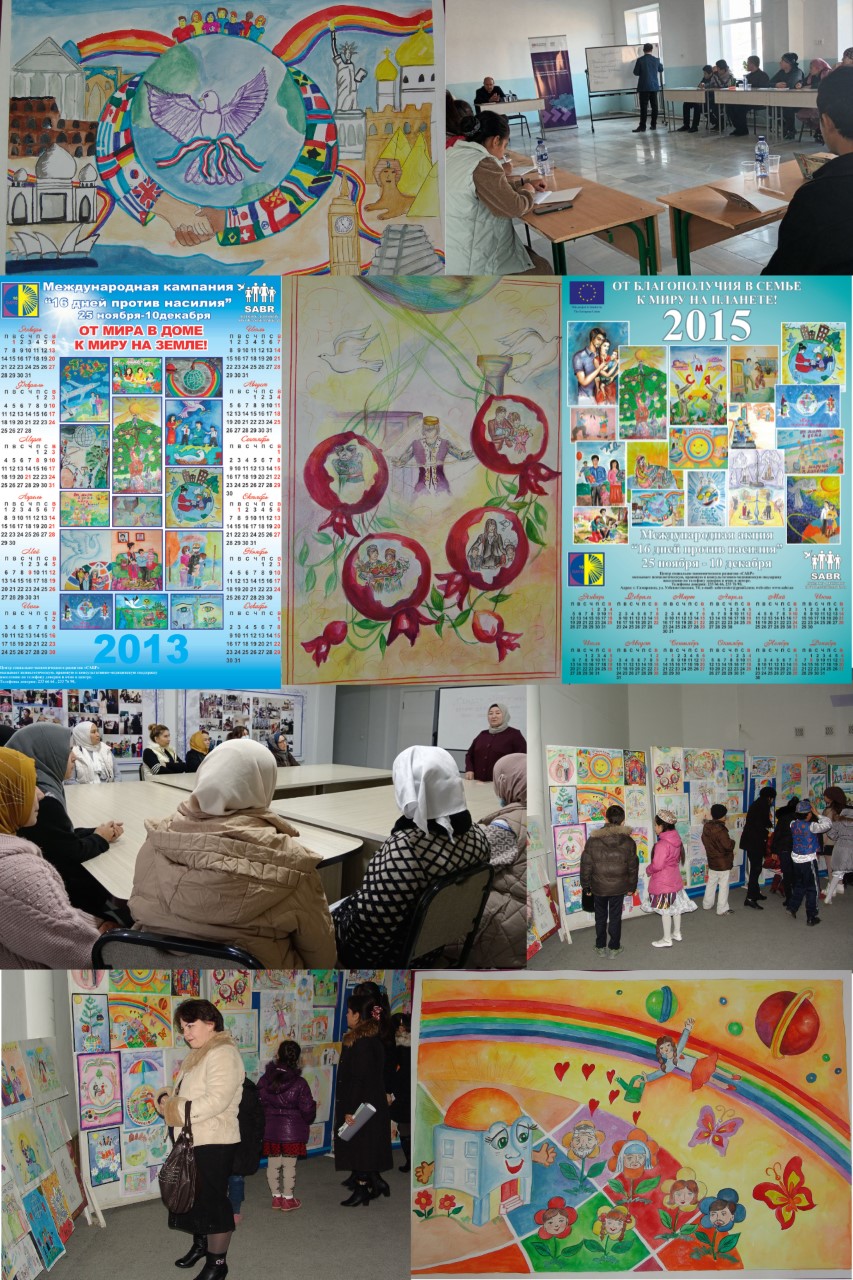
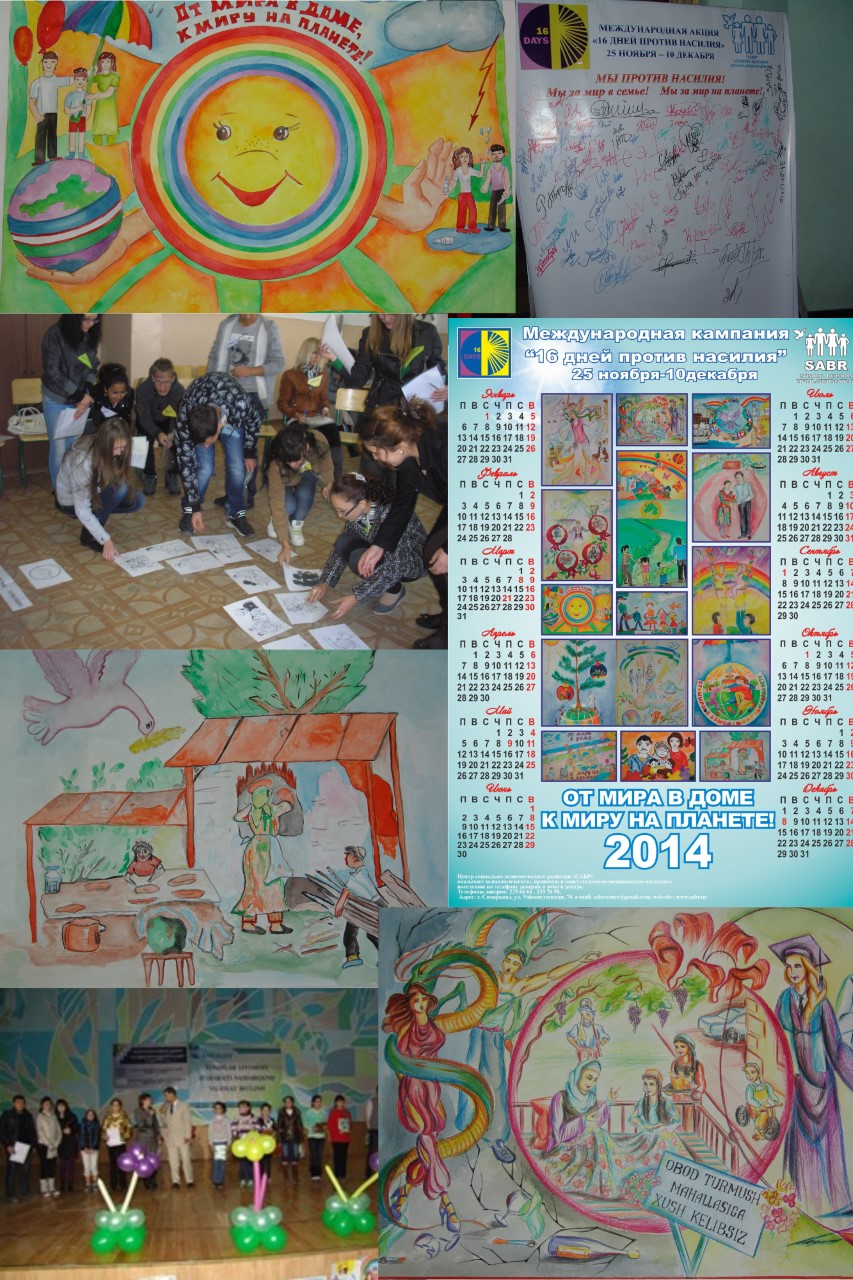
From 25 November (the International Day for the Elimination of Violence against Women) to 10 December (Human Rights Day), the UN's global campaign, '16 Days of Activism Against Gender-Based Violence', is held around the world. Since 2002, the 'SABR' National Centre for Socio-Economic Development has joined this initiative by holding meetings, competitions, training seminars, research projects and other events.
Throughout these activities, the SABR Centre has consistently upheld the principles of respect, human rights protection, non-discrimination, and ensuring the safety of all programme participants. A victim-centred approach is a key element of all the organisation's initiatives. Particular attention is paid to vulnerable groups, such as women with disabilities and those from low-income families and rural areas, who often face multiple barriers when trying to access assistance and protect their rights.
From 2024 to 2025, the following projects will be implemented: 'Promoting Gender Transformation in Communities through Civic Participation' (funded by the EU/DVV International), 'Life in Dignity' (funded by Alert International), and 'Inclusive Horizons: Learning and Entrepreneurship for All' (supported financially by the UK Government for International Development), which aimed to reduce gender-based and domestic violence at the family level by changing social norms and behaviours, as well as expanding participants' socio-economic opportunities, events were held in the Andijan, Bukhara, Navoi, Namangan, Syrdarya, Samarkand and Khorezm regions.
The research focused on studying gender imbalance in income, the root causes of gender inequality and men's and women's attitudes towards gender equality issues. Along with the opinions of women, the views of men on gender issues, child-rearing practices, the influence of cultural traditions and customs, and factors contributing to domestic violence were analysed as part of the research.
As part of the campaign, a series of training seminars are being held in target regions. These seminars aim to expand the socio-economic opportunities of families in rural areas, increase women's participation in entrepreneurial activities, promote gender transformation and reduce gender-based and domestic violence. The seminars also aim to promote gender equality in communities through civic participation.